2026-10-24 ·
Protecting Chimney Crowns From Summer Rain And Humidity
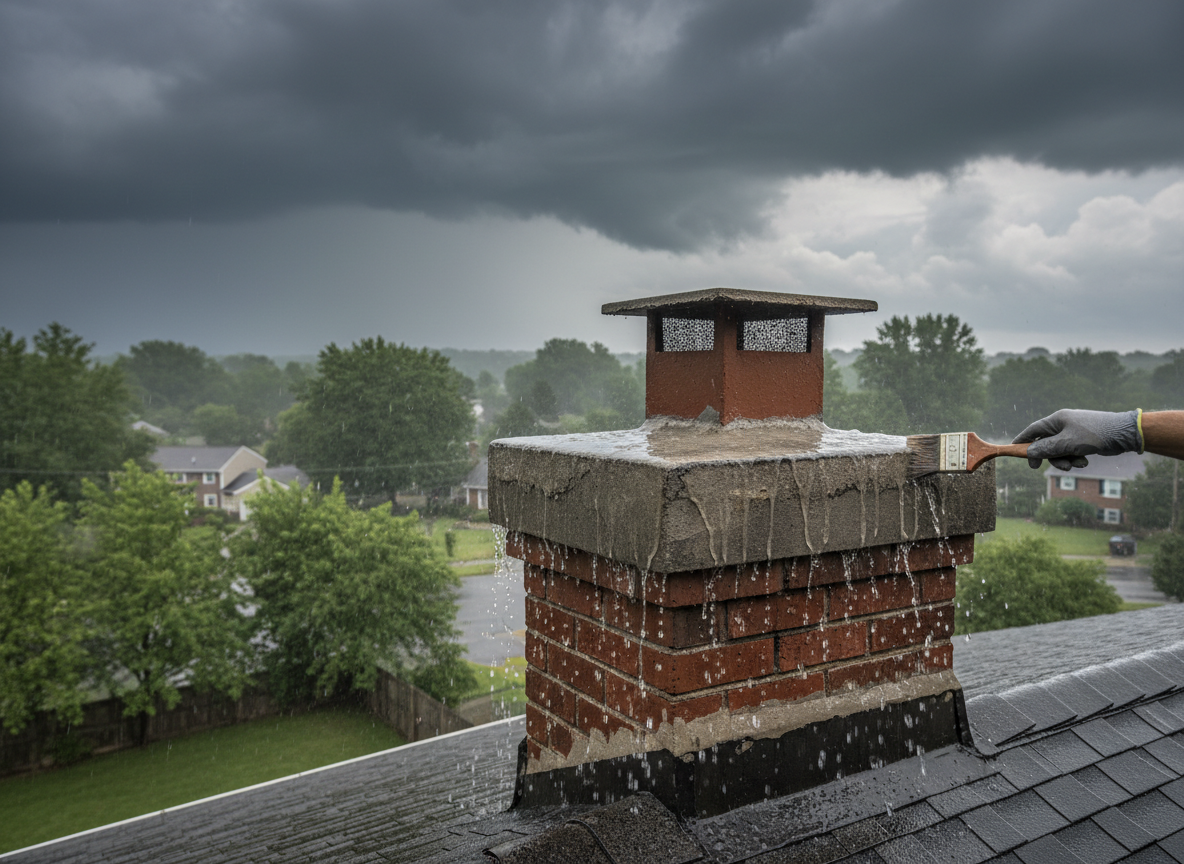
Summer rain and humidity in Parsippany-Troy Hills demand proactive crown protection through annual inspections and targeted waterproofing every 4-6 years to block moisture penetration into mortar joints and flue liners.
Understanding Summer Moisture Challenges in Parsippany-Troy Hills
Parsippany-Troy Hills experiences frequent afternoon thunderstorms from June through August that deliver heavy downpours lasting 30-60 minutes. These events combine with humidity levels often above 70 percent to drive water into hairline cracks on chimney crowns. Homes in neighborhoods such as Lake Parsippany and Troy Hills typically feature 40-60 year old brick chimneys built before modern flashing standards, making crown surfaces especially vulnerable. Water that sits on the crown during humid periods expands existing fissures as temperatures fluctuate between 75 and 95 degrees. Over time this cycle allows moisture to reach the flue, promoting creosote buildup and interior staining. Local terrain near Lake Intervale adds extra wind-driven rain exposure on east-facing chimneys.
Common Signs of Crown Damage from Humidity
Homeowners in Mount Tabor and Rainbow Lakes notice white efflorescence streaks on crown surfaces after repeated summer rains. Dark moisture stains appearing on ceilings near the chimney indicate water has already bypassed the crown and reached interior masonry. Flaking mortar along the crown edge signals repeated freeze-thaw stress even in summer when trapped humidity expands overnight. Chimneys serving homes in Powder Mill often show rusted damper components when crown cracks allow humid air to circulate downward. Checking for these indicators after each major storm helps catch issues before they require full crown replacement.
Effective Waterproofing Techniques
Apply a breathable siloxane-based sealer to clean, dry crown surfaces after any tuckpointing repairs. This product penetrates 1/4 inch into the masonry without trapping moisture inside the structure. Reapply the sealer when water no longer beads on the surface, typically after 4-6 years in Morris County conditions. Pair the sealer with new stainless-steel flashing at the crown-roof junction to redirect runoff away from vulnerable mortar joints. Residents near Greystone Park benefit from this combination because prevailing winds push rain directly against chimney sides during summer storms.
Maintenance Steps for Long-Term Protection
Schedule a visual crown inspection each spring before humidity peaks. Remove loose debris and vegetation from the crown top using a soft brush and water. Examine the crown for cracks wider than 1/16 inch and note any separation from the flue tile. Document photos for comparison after the next storm season. Schedule professional assessment through chimney crown repair when multiple cracks appear or when interior leaks develop. Combine this with chimney waterproofing treatments to extend crown life by several seasons in humid conditions.
When to Call for Professional Inspection
Contact a technician if water stains appear on attic insulation or if the damper shows rust after a single humid summer. Older chimneys in Denville and Boonton often require crown rebuilding when mortar loss exceeds 20 percent of the surface area. A thorough inspection includes checking the flue for moisture damage that could affect draft performance during fall heating season. See related guidance on cost factors for chimney flue repair in Northern New Jersey to understand typical repair scopes. Early intervention at 35 Waterview Blvd keeps small crown issues from becoming full chimney restoration projects.